La Mer Genaissance de la Mer is a luxury reparative cream frequently discussed in the context of la mer genaissance radiation therapy recovery on skin over 55 because its fermented Miracle Broth, lime tea concentrate, and reparative ferments are formulated to calm post-radiation inflammation, restore the moisture barrier, and visibly soften the dryness, tightness, and discoloration that linger after treatment. Used only after a radiation oncologist and dermatologist clear topical luxury skincare (typically 2–4 weeks after the final session, once the skin is no longer broken), Genaissance pairs deep nourishment with the fragrance-light, low-stimulation feel mature, fragile skin demands. Below you'll find guidance, comparisons, and complementary luxury formulas worth considering.
Why La Mer Genaissance keeps coming up for post-radiation skin over 55
Radiation dermatitis, even when mild, alters the skin's architecture: the stratum corneum thins, lipid mortar between cells leaks, melanocytes overproduce pigment in patches, and elastin fibers in the treated field never quite snap back the way they did. In women over 55, this lands on a face already coping with estrogen-driven dryness, slower cell turnover, and accumulated photoaging. The result is often described as "crepey, tight, and dull" skin in the radiated zone, sometimes bordered by a leathery, hyperpigmented edge.
When shopping for la mer genaissance radiation therapy recovery, it pays to compare specs, capacity, and real-world runtime before committing.
La Mer's Genaissance collection — the brand's most concentrated tier above the original Crème de la Mer — was designed around what La Mer calls the Regenerating Ferment, a combination of the original Miracle Broth (sea kelp, sunflower, citrus, eucalyptus, alfalfa, wheat germ) with lime tea concentrate and additional ferments intended to support visible firmness and tone. The texture is rich but not occlusive, the fragrance is muted, and the formula leans heavily on emollient comfort rather than active acids or retinoids — which is exactly what compromised post-radiation skin needs while it rebuilds. None of this makes Genaissance a medical product, but it explains why oncology aestheticians and patients themselves often gravitate to it once active treatment ends.
When (and when not) to use it during radiation recovery
Do not apply Genaissance — or any luxury cream — to skin that is still actively undergoing radiation, weeping, blistered, peeling, or broken. During active treatment, follow your radiation oncology team's prescribed regimen, which typically involves bland, fragrance-free emollients (Aquaphor, plain petrolatum, or oncology-specific barrier creams) and very few ingredients. La Mer Genaissance enters the picture during the recovery phase, usually starting two to four weeks after the final session and only once the treated field is fully closed, no longer tender, and your team has approved a return to standard skincare. Even then, patch test on the jawline for 48 hours before applying across the treated area.
The role of la mer genaissance radiation therapy recovery use is comfort and visible repair: softening the tight, parchment feel, fading some of the lingering pink, and reintroducing the kind of nourishment mature skin lost during treatment. It is not a substitute for prescription tranexamic acid for hyperpigmentation, low-level laser therapy, or the structured rehabilitation plan a radiation oncologist or onco-dermatologist may recommend.
How to apply Genaissance on recovering skin over 55
Cleanse with lukewarm (never hot) water and a non-foaming, sulfate-free milk or cream cleanser. Pat — do not rub — with a soft cotton towel. While skin is still slightly damp, press a hyaluronic-acid serum into the treated area to give the cream something to seal in. Warm a pea-sized amount of Genaissance between clean fingertips until it melts into a translucent oil, then press (don't drag) into the face, neck, and any radiated décolleté skin. Apply morning and night. During the day, layer a mineral SPF 50 over the top — radiated skin is permanently more photosensitive, and unprotected sun exposure on the treated field can re-trigger pigmentation for years. For a deeper walkthrough on technique, see our guide to applying luxury anti-aging cream.
Comparison: Genaissance vs. complementary luxury recovery creams
If you cannot get Genaissance immediately, or you want a second cream for night or for very reactive patches, the table below compares formulas frequently used alongside it for post-radiation skin over 55. None replace medical guidance; all are listed for their gentleness, barrier focus, and suitability for mature, sensitive skin.
| Cream | Key reparative actives | Best role in recovery | Texture | Fragrance |
|---|---|---|---|---|
| La Mer Genaissance de la Mer | Regenerating Ferment, Miracle Broth, lime tea | Daily AM/PM nourishment, firmness | Rich, melts to oil | Light marine |
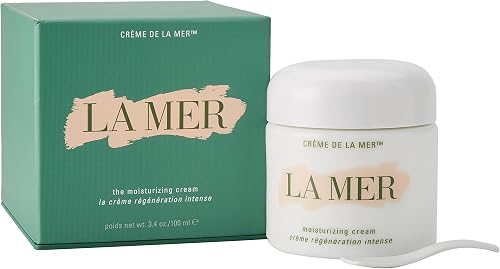
| La Mer Moisturizing Cream (classic) | Miracle Broth, eucalyptus, sea kelp | First reintroduction, fragile skin | Thick balm | Light marine |
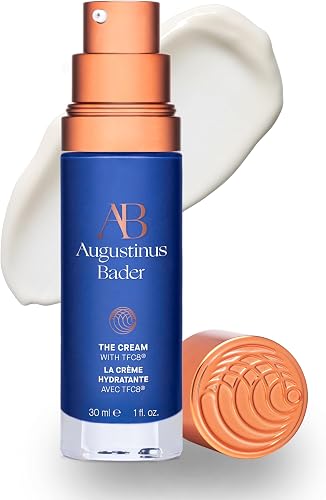
| Augustinus Bader The Cream | TFC8, amino acids, vitamins | Cellular renewal, longer-term | Lightweight | None |
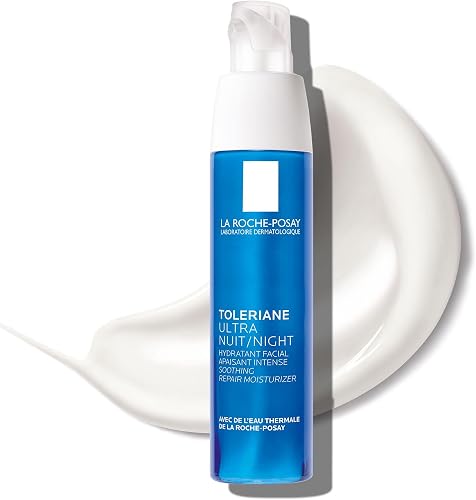
| La Roche-Posay Toleriane Dermallergo Night | Neurosensine, vitamin E, glycerin | Reactive nights, soothing | Cushion cream | None |
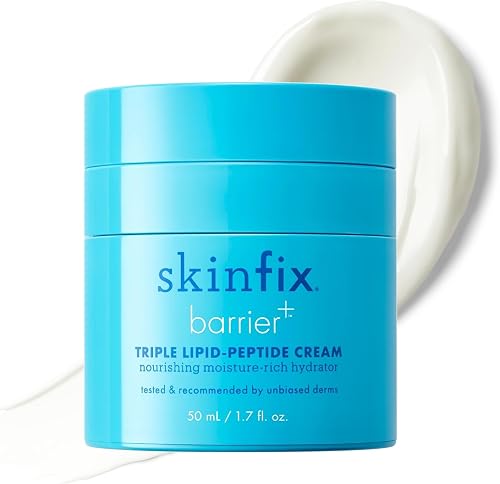
| Skinfix Triple Lipid-Peptide | Ceramides, cholesterol, fatty acids, peptides | Barrier rebuild, dryness | Rich cream | None |
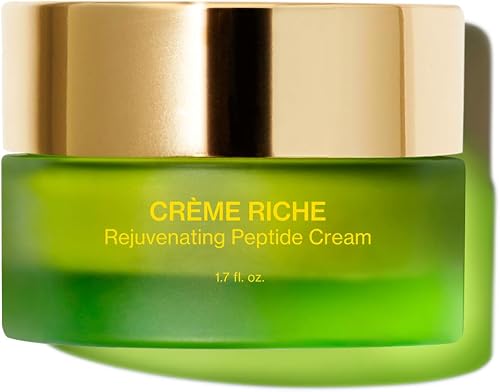
| Tata Harper Crème Riche | Plant peptides, edelweiss, olive squalane | Botanical alternative, mature dryness | Rich | Natural floral |
Product picks for radiation-recovery skin over 55
La Mer Moisturizing Cream — the classic Miracle Broth foundation
If Genaissance is out of reach or your treated skin is still in the most fragile, just-cleared phase, the original Crème de la Mer is the gentler stepping stone. The same Miracle Broth that anchors Genaissance is here in a denser, balmier carrier that excels at sealing dryness and quieting the tight, parchment feel of recently radiated skin. Many women over 55 use the classic for the first 6–8 weeks of recovery, then transition to Genaissance once the skin tolerates a slightly more active formula. Read our full Crème de la Mer review for application notes, or our deeper look at La Mer for sensitive skin over 50 if redness is your dominant concern.
View La Mer Moisturizing Cream on Amazon
Augustinus Bader The Cream — TFC8 for cellular renewal
Where Genaissance leans on fermented marine actives, Augustinus Bader's The Cream leans on TFC8 (Trigger Factor Complex), a proprietary blend of amino acids, vitamins, and synthesized molecules that was originally developed for burn-wound research. That heritage is exactly why post-radiation patients often look to it: the formula is fragrance-free, lightweight, and intended to support the skin's own renewal signals rather than mask compromise with heavy occlusives. For skin over 55 that has lost firmness in the radiated area, layering The Cream in the morning and Genaissance at night is a combination many users settle into.
View Augustinus Bader The Cream on Amazon
La Roche-Posay Toleriane Dermallergo Night Cream — for the most reactive nights
Some nights, post-radiation skin will not tolerate anything fragranced, anything fermented, or anything new — it just needs calm. Toleriane Dermallergo is built on La Roche-Posay's neurosensine (a dipeptide that helps quiet neurogenic redness), thermal spring water, and a minimalist ingredient list cleared for allergy-prone skin. It is dermatologist-recommended in oncology aesthetics circles precisely because it does so little except soothe. Use it on flare nights, then return to Genaissance when the skin feels resilient again.
View La Roche-Posay Toleriane Dermallergo on Amazon
Skinfix Triple Lipid-Peptide Cream — barrier rebuild on a clinical budget
Radiated skin is fundamentally a barrier problem: the ratio of ceramides, cholesterol, and fatty acids in the stratum corneum gets thrown off, and the skin keeps leaking moisture even when it doesn't feel actively dry. Skinfix Triple Lipid-Peptide replenishes all three lipid classes in the clinically validated 3:1:1 ratio dermatologists target for compromised skin, with peptides added for firmness support. It is fragrance-free, non-comedogenic, and dramatically less expensive than Genaissance — a reasonable substitute or daytime layer.
View Skinfix Triple Lipid-Peptide on Amazon
Tata Harper Crème Riche — botanical peptide nourishment
For women who prefer to keep their post-radiation routine free of synthetic fragrance and lean botanical, Tata Harper's Crème Riche delivers a deeply emollient peptide cream built around edelweiss stem cells, plant squalane, and a peptide complex aimed at firmness. The texture is genuinely rich — closer to Genaissance in feel than most natural formulas achieve — and the scent is a gentle natural floral rather than perfumery. Patch test first, as essential botanicals can occasionally irritate radiated skin; if tolerated, it is a beautiful night cream for the months after treatment ends.
View Tata Harper Crème Riche on Amazon
Building a full recovery routine around Genaissance
A luxury cream alone is not a recovery plan. The most effective post-radiation routines for skin over 55 tend to share the same skeleton: a non-foaming cleanser, a hyaluronic-acid or panthenol serum, a reparative cream like Genaissance, and a mineral SPF 50 every single morning — even indoors near windows. Active ingredients like retinoids, AHAs, BHAs, and vitamin C at high concentrations are paused for at least three months and reintroduced one at a time, on the advice of a dermatologist familiar with oncology patients. Avoid manual exfoliation, washcloths, facial brushes, derma-rollers, and professional peels in the treated field for at least six months. Our piece on common mistakes to avoid with anti-aging creams covers many of the pitfalls — most are doubly important on radiated skin.
Frequently Asked Questions
Is La Mer Genaissance safe to use during radiation therapy?
No — not during active treatment. While radiation is ongoing, follow your oncology team's prescribed regimen, which is usually a simple barrier ointment. Genaissance is a recovery-phase cream, introduced only after the skin has fully closed, the team has cleared topical skincare (typically 2–4 weeks after the final session), and you've patch-tested on the jawline. "During" and "after" radiation are very different skincare situations.
How long after radiation can I start using La Mer Genaissance?
Most radiation oncologists allow a return to standard skincare two to four weeks after the final session, provided the treated skin is no longer broken, weeping, or actively peeling. Some patients with stronger reactions may need six to eight weeks. Always get an explicit go-ahead from your radiation oncologist or onco-dermatologist before introducing a luxury formula like Genaissance, and start with once-daily application before moving to twice daily.
Will Genaissance fade hyperpigmentation left by radiation?
Genaissance can soften the dullness, improve light reflection, and support the skin's general repair processes, which over months may make discoloration look less stark. It is not a targeted pigment treatment, however. For persistent hyperpigmentation in the radiated field, ask your dermatologist about prescription tranexamic acid, azelaic acid, or low-energy device treatments cleared for post-oncology use. Daily mineral SPF 50 is non-negotiable to prevent new pigment.
What's the difference between La Mer Genaissance and classic Crème de la Mer for radiation recovery?
The classic Crème de la Mer is balmier, simpler, and focused on barrier comfort — the gentler choice for the earliest phase of recovery. Genaissance layers additional ferments, lime tea concentrate, and the Regenerating Ferment on top of that base, aimed at visible firmness and tone in addition to nourishment. Many women over 55 start with the classic in the first 6–8 weeks post-treatment, then transition to Genaissance once the skin tolerates more.
Can I use Genaissance on radiated skin on my neck and décolleté?
Yes, once cleared by your oncology team, the same recovery-phase rules apply to the neck and chest. These areas are often more reactive than the face, so patch test first and apply with extra gentleness — no dragging downward, just upward pressing motions. Neck and décolleté skin in women over 55 is already thinner than facial skin, so the comfort and emollience of Genaissance is particularly welcome here.
What ingredients should I avoid alongside Genaissance during recovery?
For at least three months after treatment, avoid retinoids, high-percentage vitamin C (above 10%), AHAs, BHAs, benzoyl peroxide, physical scrubs, fragrance-heavy products, and essential-oil-rich "natural" actives in the treated field. Reintroduce one active at a time, two weeks apart, with dermatologist guidance. Genaissance itself contains no retinoids or acids, which is part of why it works in this phase.
How much Genaissance should I apply per session?
A pea-sized amount is enough for the full face; a second pea for the neck and décolleté if those areas were radiated. Warm between fingertips until it melts into a translucent oil, then press into damp skin. Using more does not deliver more benefit and can leave the skin feeling smothered, which radiated skin in particular does not tolerate well. Twice daily — morning under SPF, evening over a hydrating serum — is the typical recovery cadence.
Key Takeaways
- Choosing the right la mer genaissance radiation therapy recovery means matching capacity and output ports to your actual devices
- Always check actual watt-hours (Wh), not just watts — runtime depends on Wh, not peak output
- Also covers: la mer genaissance for cancer survivors
- Also covers: genaissance cream post radiation skin
- Also covers: la mer for radiation burned skin over 55
- Compare price-per-Wh across models to find the best value for your budget