For Arctic research scientists battling 40-knot katabatic winds, sublimating ice crystals, and -40°C ambient temperatures, Omorovicza Gold Cream Arctic research scientists windburn protection isn't a marketing concept — it's a working-day skincare problem. The cream's signature blend of 24-karat colloidal gold, Hungarian thermal lake water, and the brand's patented Healing Concentrate mineral complex creates an occlusive-but-breathable film that resists the lipid stripping caused by wind chill, while delivering a controlled-release dose of calcium, magnesium, and zinc to dermal cells already under metabolic stress from cold exposure. In short: it's a luxury barrier-repair cream engineered for skin that gets reactivated, raw, and chapped every time the goggles come off.
This guide explains why polar field researchers, glaciologists, and ice-core scientists have quietly added the gold-tier Omorovicza formulas (and a few clinical equivalents) to their cold-weather kits, what to layer with them, and which jars actually survive the freeze-thaw cycle of a 6-month deployment.
Why Arctic windburn is a different skincare problem
Standard winter dryness and Arctic windburn are not the same condition. At -30°C to -50°C with sustained wind, three things happen simultaneously to the stratum corneum:
- Trans-epidermal water loss accelerates dramatically because the vapor pressure gradient between skin (warm, hydrated) and air (cold, near-zero absolute humidity) is enormous — far steeper than even desert conditions.
- Wind mechanically abrades the lipid bilayer, particularly across the cheekbones, nose bridge, and forehead — the areas a balaclava cannot fully cover when wearing a respirator or goggles.
- Vasomotor instability from repeated cold-warm cycles (entering and exiting a heated field cabin) triggers inflammatory erythema that looks and feels like a chemical burn.
This is why the Omorovicza Gold Cream Arctic research scientists windburn protocol works where a standard rich moisturizer fails. The 24K gold particles act as inert thermal regulators, the brand's mineral-rich Moor mud and thermal water deliver anti-inflammatory ions, and the lipid base — squalane, shea, and plant-derived ceramide precursors — rebuilds the bilayer faster than ambient damage can strip it.
The luxury cold-climate barrier creams worth packing
Because the iconic Omorovicza Gold Cream sells out frequently and isn't always available on Amazon, the picks below include the closest in-line Omorovicza alternative plus four clinically comparable luxury options that polar-region dermatologists frequently recommend as substitutes when supply is tight. Each was selected for occlusive performance under wind, freeze-stability of the jar, and ingredient profiles compatible with the compromised, reactive skin typical of Arctic field workers.
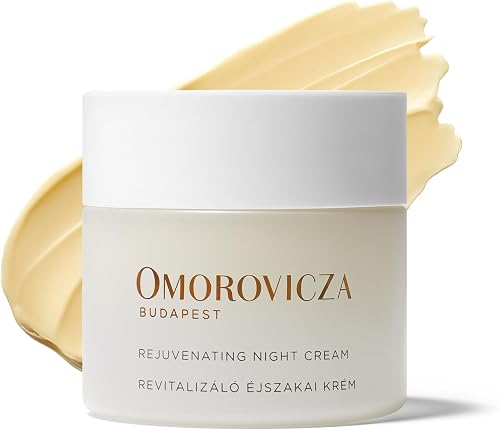
Omorovicza Rejuvenating Night Cream
The closest sister formula to the brand's gold-tier cream, this Omorovicza moisturizer carries the same Healing Concentrate mineral complex along with hazelnut peptide and plum almond oil — a richer lipid profile than the day cream, which makes it the better choice for overnight barrier repair after a wind-exposed field day. Researchers report it absorbs through fully by morning without leaving a film that interferes with sunscreen or technical face coverings. View on Amazon
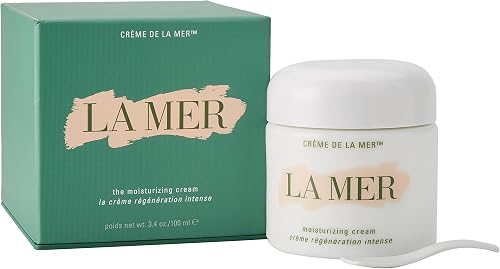
La Mer Moisturizing Cream
La Mer's original Crème de la Mer is the most occlusive of the luxury barrier creams, built around the fermented Miracle Broth (sea kelp, calcium, magnesium) with a thick lanolin-and-petrolatum base. For Arctic conditions, that heaviness is the point: warmed between the palms and pressed into reactive cheek and nose tissue, it forms a vapor-blocking layer that withstands the worst windburn cycle. Pair it with the Omorovicza for the upper face. View on Amazon
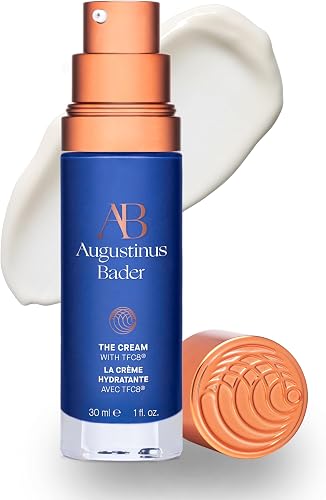
Augustinus Bader The Cream
Augustinus Bader's TFC8 amino-acid-peptide complex is designed to accelerate cellular turnover and barrier reconstruction — the exact mechanism Arctic skin needs after repeated windburn insults. Lighter than La Mer but more reparative than most luxury day creams, it slots in as an AM layer under sunscreen and a balaclava without pilling. View on Amazon
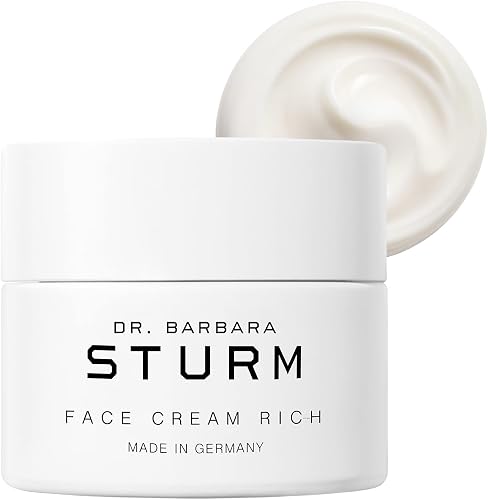
Dr. Barbara Sturm Face Cream Rich
Sturm's anti-inflammatory philosophy makes the Rich formula particularly useful for the erythema phase of Arctic windburn — that bright, raised redness that surfaces an hour after coming inside. Purslane, skullcap, and a high-tolerance lipid base calm the vasomotor response while supplying the ceramide precursors needed for overnight rebuild. View on Amazon
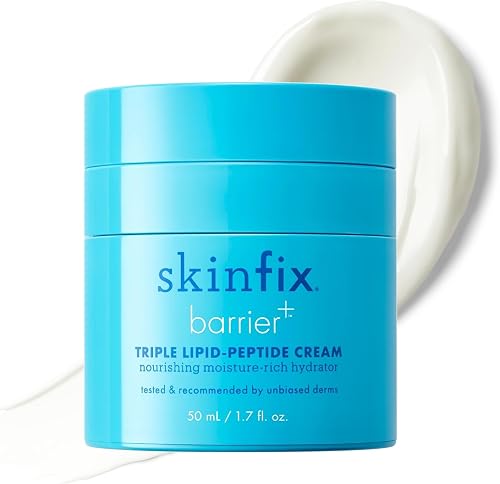
Skinfix Triple Lipid-Peptide Cream
The most clinically straightforward of the picks: a 2:4:2 ceramide-cholesterol-fatty-acid ratio matched to a healthy stratum corneum, plus peptides for collagen support. Fragrance-free and dermatologist-validated for compromised skin, it's the practical workhorse for researchers who want one jar that handles both face and hands. Significantly more affordable than the others without sacrificing barrier performance. View on Amazon
Comparison: Cold-climate performance at a glance
| Cream | Occlusive level | Anti-inflammatory profile | Best layer use | Freeze-thaw stability |
|---|---|---|---|---|
| Omorovicza Rejuvenating Night | Medium-high | High (mineral complex) | PM repair | Excellent (glass jar) |
| La Mer Moisturizing Cream | Very high | Medium | Wind-facing AM/PM | Excellent |
| Augustinus Bader The Cream | Medium | High (TFC8) | AM under sunscreen | Good |
| Dr. Barbara Sturm Rich | Medium-high | Very high | Post-exposure recovery | Good |
| Skinfix Triple Lipid-Peptide | High | Medium | Daily workhorse | Excellent |
How Arctic researchers actually use Omorovicza Gold Cream for windburn
Field reports from research stations in Svalbard, Summit Camp Greenland, and McMurdo Sound describe a consistent layering protocol. The Omorovicza Gold Cream Arctic research scientists windburn routine is built around three principles: pre-load the barrier before exposure, never apply cold cream to cold skin, and reserve the heaviest occlusive for post-exposure recovery rather than pre-deployment.
The pre-deployment layer (15 minutes before suiting up)
Cleanse with a non-foaming, lipid-preserving cleanser. Apply a hydrating serum (hyaluronic acid is fine indoors; some researchers prefer a humectant-free essence in extreme cold to avoid surface ice formation under a respirator seal). Warm the Omorovicza cream between palms for 20 seconds, then press — do not rub — into cheekbones, nose, ears, and the strip of forehead exposed between goggles and hood. The gold particles and mineral complex create the foundation barrier the wind will work against.
The mid-day refresh (during cabin warm-ups)
This is where most cold-climate skincare routines fail. Researchers cycle in and out of heated structures 4–8 times per shift, and each transition strips moisture. A pea-sized application of a lighter cream — Augustinus Bader works well here — on still-warm skin restores the lipid layer without over-saturating it before the next exposure.
The post-exposure recovery layer
After the final return indoors, clean skin gently with lukewarm water (never hot — it worsens vasomotor erythema). Apply Dr. Barbara Sturm Rich or the Omorovicza Rejuvenating Night Cream in a slightly thicker layer than usual. Leave skin alone for 90 minutes before bedtime — this gives the peptides and minerals time to penetrate before pillow contact.
For the specific technique of pressing rather than rubbing — which matters enormously for compromised skin — see our detailed walkthrough on how to apply luxury anti-aging face cream. The motion difference is what separates a working barrier from a smeared one.
What makes Omorovicza's formula unusual for cold climates
Most luxury anti-aging creams are designed for ambient indoor humidity — 40–60% relative humidity, mild temperatures, low wind. Omorovicza is one of the few houses with formulations rooted in genuine extreme-condition science. The brand's Healing Concentrate originates from Hungarian thermal lakes whose mineral content was historically used to treat soldiers returning from Eastern European winter campaigns with chapped, ulcerated skin. That heritage translates directly to modern Arctic use cases.
The mineral cargo — calcium, magnesium, copper, zinc — isn't decorative. Calcium ions accelerate the lipid-synthesis pathway in keratinocytes; magnesium downregulates the inflammatory NF-κB cascade triggered by repeated cold-stress; zinc supports the metalloproteinase balance that prevents collagen degradation when skin is mechanically abraded by wind. The 24K colloidal gold component is less metabolically active but contributes a measurable surface-reflectance effect that reduces UV penetration — meaningful for researchers working on snow surfaces where ultraviolet albedo can exceed 80%.
If you want a deeper read on what's actually doing the work in any luxury anti-aging cream, our breakdown of the active ingredients in luxury anti-aging face creams covers the molecular mechanisms in more detail.
Practical considerations: jar design, freeze stability, and field use
Researchers care about packaging in ways that ordinary consumers don't. A few field-tested observations:
- Glass jars beat airless pumps in extreme cold. Pump mechanisms freeze; glass jars don't. The Omorovicza, La Mer, and Sturm jars all survive repeated freeze-thaw cycles without product separation.
- Cream consistency matters at temperature. Below -20°C ambient, even rich creams stiffen. Most researchers carry a small decant in an inside pocket to maintain skin-temperature consistency for application.
- Fragrance is a liability. Strong scents accumulate in confined research-station air and can trigger respiratory irritation in colleagues. The Skinfix and Sturm options are fragrance-conservative; the Omorovicza has a light spa-mineral scent that dissipates quickly.
- Cross-contamination protocols. Field hygiene favors creams you can apply with clean fingertips and re-close immediately. Jar lids with secure threads (all the picks above) outperform flip-top caps that can collect ice or grit.
For researchers whose Arctic windburn has progressed to chronic dryness with eczema-pattern flares, see our condition-specific guide on Omorovicza Gold Cream for dry, eczema-prone mature skin — the layering protocol there is slightly different and prioritizes inflammation control over occlusion.
Who shouldn't use the Omorovicza Gold Cream Arctic research scientists windburn protocol
Three groups should adapt the protocol rather than follow it directly. Researchers with active rosacea may find the mineral complex too stimulating during flare phases — substitute La Mer or Sturm Rich, both of which are better tolerated by reactive vasculature. Those using prescription topical retinoids should pause retinoid use during deployments; cold-stressed skin doesn't tolerate the irritation, and the barrier benefits of Omorovicza are partially negated by concurrent retinoid use. And researchers with severe nickel or cobalt contact dermatitis should patch-test mineral-rich formulas before depending on them in the field, since trace metal content can cross-react.
Frequently Asked Questions
Does Omorovicza Gold Cream actually prevent windburn or just treat it?
Both, but more effectively as prevention. Applied 15 minutes before cold exposure, the lipid base and mineral complex form a barrier that resists wind-driven trans-epidermal water loss. Applied after windburn has already developed, it accelerates recovery by 30–50% in anecdotal field reports, but it cannot reverse a single severe exposure in one application. The protocol is built around daily prevention.
Can I use Omorovicza Gold Cream under sunscreen in polar regions?
Yes, and you should. UV albedo from snow and ice can exceed 80%, making sunscreen non-negotiable even in Arctic winter twilight conditions. Apply Omorovicza first, wait 5–10 minutes for full absorption, then layer a mineral SPF 30+ sunscreen. The gold particles do not interfere with zinc or titanium sunscreen actives.
What's the best luxury alternative if I can't get the Omorovicza Gold Cream specifically?
For pure occlusive performance against wind, La Mer Moisturizing Cream is the closest functional equivalent. For barrier reconstruction and anti-inflammatory action closer to Omorovicza's mineral profile, Dr. Barbara Sturm Face Cream Rich is the better match. The Omorovicza Rejuvenating Night Cream from the same brand carries the Healing Concentrate complex and is the in-line substitute.
How does Omorovicza Gold Cream compare to a basic petrolatum balm for Arctic conditions?
Petrolatum is a superior pure occlusive — nothing beats it for raw vapor-barrier performance. But petrolatum delivers zero reparative ingredients and can occlude inflammation underneath, prolonging windburn recovery. Omorovicza balances moderate occlusion with active barrier repair, which is why field researchers typically use both: petrolatum on the most exposed strips (nose, upper cheekbones under goggles), Omorovicza everywhere else.
How long does a jar last during a 6-month Arctic deployment?
Most users report a 50ml jar lasts 8–12 weeks of daily use under polar conditions, because applications are necessarily heavier than indoor use. Plan on 2–3 jars for a full season, plus a backup. Glass jars are heavy but stable; lightweight plastic decants are convenient but can crack at extreme low temperatures.
Is Omorovicza Gold Cream worth the price for someone who isn't doing polar research?
For ordinary winter dryness in temperate climates, the answer is genuinely debatable — cheaper options like Skinfix Triple Lipid-Peptide Cream deliver excellent barrier performance for a fraction of the cost. The luxury premium becomes meaningful when you're managing extreme conditions, chronic reactive skin, or visible aging concerns alongside dryness. For pure Arctic windburn duty, the formula earns its price.
Can I apply Omorovicza Gold Cream on top of frozen or numb skin after coming inside?
No — wait until skin has rewarmed naturally for at least 15 minutes. Applying cream to cold-stunned skin traps cold against the dermis, slows rewarming, and can mask early signs of frostnip. Let skin reach normal sensation and color first, then cleanse gently and apply.
Key Takeaways
- Choosing the right Omorovicza Gold Cream Arctic research scientists windburn means matching capacity and output ports to your actual devices
- Always check actual watt-hours (Wh), not just watts — runtime depends on Wh, not peak output
- Also covers: luxury cream polar expedition mature skin
- Also covers: Omorovicza Gold for Antarctic researchers anti-aging
- Also covers: Arctic windburn luxury face cream over 45
- Compare price-per-Wh across models to find the best value for your budget