If you're searching for tatcha the silk cream for pregnancy melasma fitzpatrick iv, you likely want a lightweight, pregnancy-safe moisturizer that won't aggravate the hormonally driven dark patches forming across your cheekbones, forehead, and upper lip. Tatcha The Silk Cream is a fragrance-light, peptide-and-silk-protein formula that hydrates without heavy occlusion or active brighteners that are off-limits during pregnancy. For Fitzpatrick IV (olive to light-brown) skin, which produces more melanin in response to heat, friction, and inflammation, that gentle profile is exactly what melasma management calls for. Below we'll explain whether it's the right daily choice, what to layer with it, and which alternatives suit melasma-prone medium tones in 2026.
Why pregnancy melasma behaves differently on Fitzpatrick IV skin
Melasma is driven by a triple trigger: estrogen and progesterone surges, sun exposure (especially visible light), and a melanocyte population that's already primed to overreact. Fitzpatrick IV skin tans easily, rarely burns, and contains larger, more dispersed melanosomes than lighter phototypes. That means two things during pregnancy: pigment patches appear faster and stay longer once heat, friction, or low-grade inflammation triggers them. The reflex to attack them with retinoids, hydroquinone, or strong acids is exactly wrong while pregnant—all three are either contraindicated or strongly discouraged. What works instead is a barrier-first approach: hydrate deeply, calm inflammation, defend against UV and visible light, and rely on pregnancy-compatible brighteners like azelaic acid, niacinamide, and vitamin C in stable forms.
The best tatcha the silk cream for pregnancy melasma fitzpatrick iv for your situation depends on how you plan to use it and where.
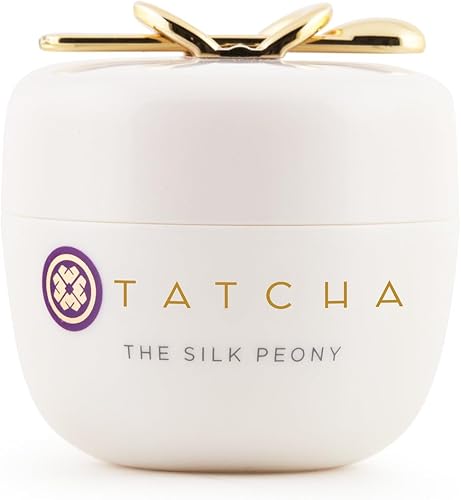
That's the frame to evaluate Tatcha The Silk Cream against. It isn't a treatment cream—it's a hydrator with peptides, hyaluronic acid, squalane, and Tatcha's signature Akita rice, green tea, and algae complex. None of those will fade an existing patch, but none of them will provoke one either, and the texture is light enough that it won't trap heat against your face—important, because heat itself can flare melasma even when you're indoors.
What Tatcha The Silk Cream actually delivers for Fitzpatrick IV pregnancy skin
The Silk Cream's appeal during pregnancy is what it leaves out as much as what it includes. There's no retinol, no salicylic acid, no hydroquinone, no fragrance oils strong enough to sensitize hormonally reactive skin. The silk protein and peptide blend provides a slip that keeps the cream from dragging on inflamed cheek skin—worth noting, because mechanical friction is a known melasma aggravator on medium tones. The squalane and hyaluronic acid handle the dehydration that often accompanies pregnancy-related skin shifts, and the lightweight emulsion absorbs in under a minute, which matters when you're layering an SPF on top (non-negotiable for melasma).
What it won't do: lighten existing patches. For that you need separate pregnancy-safe actives layered underneath. Tatcha The Silk Cream sits well over a vitamin C serum, an azelaic acid treatment, or a hyaluronic acid serum, and pairs cleanly with a tinted mineral SPF that filters visible light—the wavelength most responsible for melasma on Fitzpatrick III–V skin.
Comparison: pregnancy-friendly hydrators for melasma-prone medium skin
| Product | Pregnancy-safe? | Brightening support | Texture for Fitzpatrick IV | Best for |
|---|---|---|---|---|
| Tatcha The Silk Cream | Yes (no retinoids, no salicylic acid) | Indirect—barrier and hydration only | Lightweight silk emulsion | Daily hydration over an active serum |
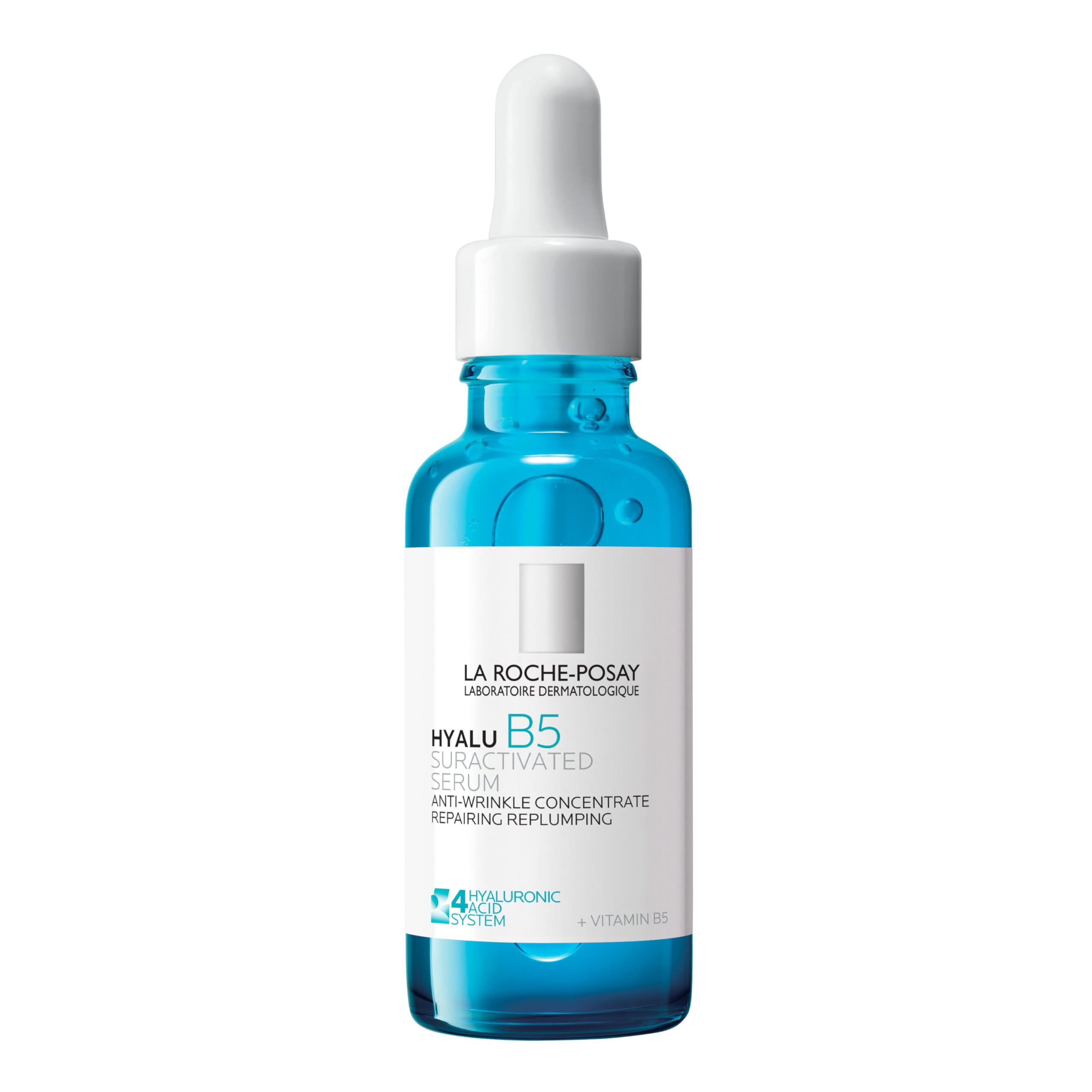
| La Roche-Posay Hyalu B5 Serum | Yes | Plumping; reduces inflammation that worsens pigment | Liquid serum, very light | Layering under any cream |
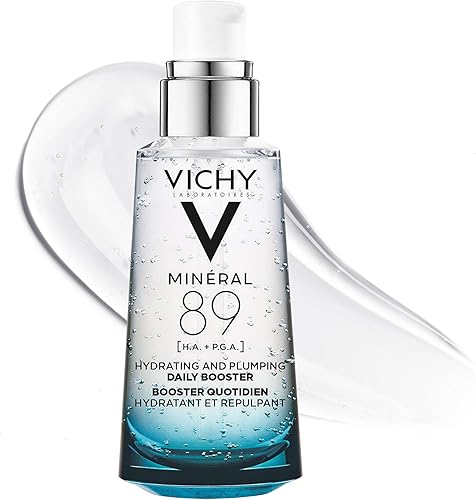
| Vichy Minéral 89 | Yes | Strengthens barrier so pigment fades faster post-partum | Watery gel | Hot, humid climates |
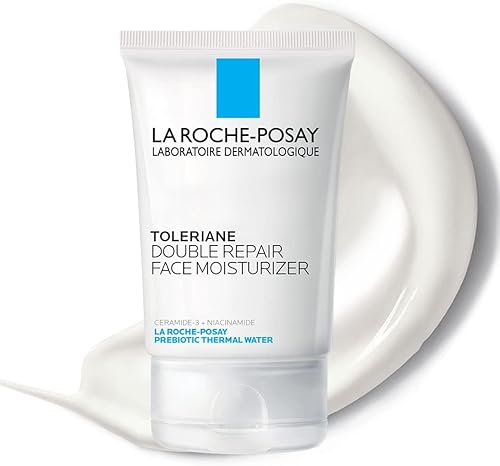
| La Roche-Posay Toleriane Double Repair | Yes | Niacinamide gently evens tone | Medium cream, fragrance-free | Reactive Fitzpatrick IV skin |
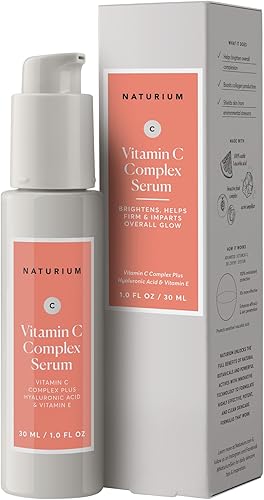
| Naturium Vitamin C Complex Serum | Generally yes (consult OB) | Direct—ascorbic-acid-derivative brightening | Light serum | Layering under Silk Cream AM |
Product picks to pair or substitute
TATCHA The Silk Peony Melting Under Eye Cream
If you love the Silk Cream's texture but need targeted help in the under-eye zone—where melasma often extends into pseudo-shadows on Fitzpatrick IV skin—the Silk Peony eye cream uses the same family of silk proteins with added peony-extract brightening. It's gentle enough to use throughout pregnancy and absorbs without pilling under concealer, which matters when you're layering color correction over residual pigment. View on Amazon.
La Roche-Posay Hyalu B5 Suractivated Hyaluronic Acid Serum
This is the serum we recommend slipping under The Silk Cream during pregnancy. It combines three molecular weights of hyaluronic acid with vitamin B5 and madecassoside, calming the low-grade inflammation that keeps melasma patches darkening. Dermatologists commonly clear it for use throughout all three trimesters, and the texture is light enough not to interfere with a mineral SPF. View on Amazon.
Vichy Minéral 89 Booster
For Fitzpatrick IV skin living in heat and humidity—known melasma triggers—Minéral 89 is a smarter daytime layer than another cream. It's a water-gel with pure hyaluronic acid and Vichy's mineralizing thermal water; it absorbs in seconds and won't trap warmth. Use it as the first step after cleansing, then follow with Tatcha The Silk Cream or a tinted SPF. View on Amazon.
La Roche-Posay Toleriane Double Repair Face Moisturizer
If Tatcha is out of budget or you want a fragrance-free backup, Toleriane Double Repair is the closest dermatology-grade match. It pairs ceramides with niacinamide—the latter is one of the few brightening ingredients that's both pregnancy-safe and clinically validated to reduce pigment transfer to keratinocytes on Fitzpatrick III–V skin. The texture is slightly heavier than The Silk Cream but still pregnancy-friendly. View on Amazon.
Naturium Vitamin C Complex Face Serum
For an evening brightening step that's gentler than ascorbic acid, this complex uses multiple stable vitamin C derivatives that don't sting on inflamed melasma skin. It layers cleanly under Tatcha The Silk Cream as a nighttime treatment. Always confirm vitamin C use with your OB or dermatologist during pregnancy, but most clinicians clear stable vitamin C derivatives without concern. View on Amazon.
How to build a pregnancy-melasma routine around Tatcha The Silk Cream
The order matters more than the number of steps. A working morning routine for Fitzpatrick IV pregnancy skin looks like this: a gentle non-stripping cleanser, an antioxidant serum (vitamin C derivative or niacinamide), Hyalu B5 or Minéral 89 for hydration, Tatcha The Silk Cream sealed on top, and a tinted mineral SPF 30–50 with iron oxides. The iron oxides are the part most people skip—they filter visible light, which standard chemical sunscreens don't, and visible light is the dominant melasma driver on medium phototypes. Evening simplifies to cleanser, an azelaic acid 10% treatment (pregnancy-safe and one of the few brighteners cleared during pregnancy), and Tatcha The Silk Cream on top to buffer any tingle.
A few rules to hold the routine together: don't introduce new actives during a hormonal flare—your skin is more reactive than usual. Don't use hot water on your face; lukewarm only. Don't take long hot showers and follow with skincare—the residual heat alone can dilate vessels and worsen pigment. And don't skip SPF on cloudy days, in the car, or near windows—UVA and visible light both pass through glass.
What about treating melasma after pregnancy?
Most pregnancy melasma fades on its own over 6–12 months postpartum, but Fitzpatrick IV skin is statistically more likely to retain residual pigment. Once you're done breastfeeding and cleared by your OB, you can reintroduce stronger actives: prescription tretinoin, hydroquinone in cycles, tranexamic acid orally or topically, and chemical peels designed for medium phototypes (Jessner's, mandelic acid). Tatcha The Silk Cream can stay in the routine as a comforting daytime hydrator throughout that transition—it plays well with stronger treatments by buffering irritation without competing for absorption.
For more on building a melasma-aware luxury routine, see our guides on ingredients to look for in luxury anti-aging cream and mistakes to avoid when using anti-aging creams. If you're weighing Tatcha against other luxury options, our Augustinus Bader vs Tatcha comparison covers texture and ingredient philosophy in depth, and our application technique guide explains how to layer cream over melasma serums without disturbing pigment treatments underneath.
Frequently Asked Questions
Is Tatcha The Silk Cream safe to use during all three trimesters of pregnancy?
Yes—Tatcha The Silk Cream contains no retinoids, no salicylic acid above the cosmetic threshold, no hydroquinone, and no essential oils flagged for pregnancy. The peptide, silk protein, squalane, and hyaluronic acid base is considered safe across all trimesters. As always, share the full ingredient list with your OB or dermatologist, especially if you have a history of cholestasis or pregnancy dermatoses.
Will Tatcha The Silk Cream lighten my pregnancy melasma patches?
No. The Silk Cream is a hydrator and barrier-support moisturizer, not a brightening treatment. It won't darken patches either, and by reducing dryness and inflammation, it can prevent your melasma from worsening. For actual fading during pregnancy, ask your dermatologist about azelaic acid 15–20%, which is the most evidence-backed pregnancy-safe brightener on Fitzpatrick IV skin.
Can Fitzpatrick IV skin tolerate the silk proteins and rice extracts in Tatcha?
In the vast majority of cases, yes—these are well-tolerated across all phototypes, and Fitzpatrick IV skin specifically tends to do well with rice-derived ingredients because they're mild and non-comedogenic. Patch test on the side of your jaw for three nights if you have a known history of reaction to grain proteins.
Is The Silk Cream too lightweight for cold-weather pregnancy dryness?
For Fitzpatrick IV skin in winter, you may want to layer a heavier occlusive on top at night—something like plain squalane oil or a thin layer of a ceramide cream over The Silk Cream. During the day, the lightweight finish is actually an advantage because heavier creams trap heat and can flare melasma even in cool weather.
What sunscreen should I pair with Tatcha The Silk Cream for melasma protection?
A tinted mineral sunscreen with zinc oxide plus iron oxides, SPF 30–50. Iron oxides are the key ingredient—they filter visible light, which standard sunscreens don't, and visible light drives melasma on Fitzpatrick IV skin more than UVA or UVB. Reapply every 2 hours of direct exposure, and wear a wide-brimmed hat outdoors.
How long does it take to see melasma improvement with a barrier-first routine?
Expect 8–12 weeks before you notice visible lightening, and longer if you're still pregnant—the hormonal driver is still active. The win during pregnancy is preventing patches from spreading or darkening further, not erasing them. Most Fitzpatrick IV patients see substantial fading 6–12 months postpartum with consistent SPF and barrier care.
Can I use Tatcha The Silk Cream while breastfeeding?
Yes—the formula is breastfeeding-compatible. Once you're done nursing, you can reintroduce stronger actives like retinoids, hydroquinone cycles, and tranexamic acid for more aggressive melasma treatment, while keeping The Silk Cream as your daily hydrator.
Key Takeaways
- Choosing the right tatcha the silk cream for pregnancy melasma fitzpatrick iv means matching capacity and output ports to your actual devices
- Always check actual watt-hours (Wh), not just watts — runtime depends on Wh, not peak output
- Also covers: tatcha silk cream for chloasma in pregnancy
- Also covers: tatcha for hormonal hyperpigmentation olive skin
- Also covers: luxury cream for melasma in latina pregnancy
- Compare price-per-Wh across models to find the best value for your budget